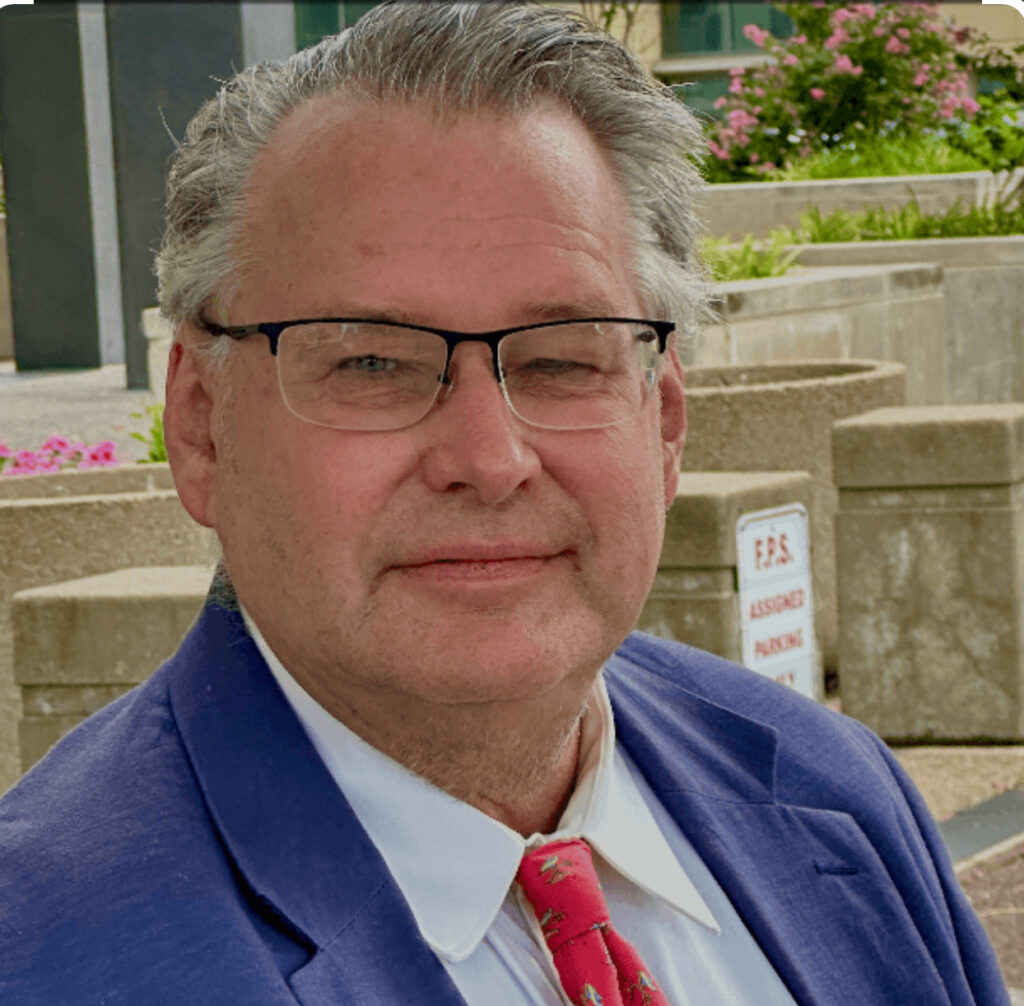
Investigative Journalist Joe B. Kent
Despite Poverty and Dysfunction, Shadow Government Slush Fund “More for Memphis” Comes Back for Taxpayer Money as Memphis City Council Votes Again
By the Shelby County Observer Investigative Team on May 25, 2026
MEMPHIS, TN — The Memphis City Council is preparing, once again, to take up Ordinance No. 5922, the controversial public-private partnership proposal commonly known as More for Memphis. On the May 26, 2026 regular agenda, the measure appears for third and final reading, asking the Council to approve the appointment of a fiscal agent to coordinate strategy, oversight, technical support, fiscal analysis, and implementation across public and private agencies.
That may sound harmless. In Memphis, it sounds familiar.
This is the same city where taxpayers have watched large public initiatives launch under polished slogans while basic services remain broken. MATA collapses. Parks sit neglected. Public records requests go unanswered. Police transparency remains disputed. Riverfront projects absorb millions while public restrooms and public access remain unresolved. And yet, somehow, a poor city can always find money when the proposal creates another politically connected pipeline.
Critics call More for Memphis exactly what it appears to be: a public-money slush fund dressed in the vocabulary of economic mobility.

Joe B. Kent, the Memphis investigative journalist and fiscal watchdog who has spent years examining local public-private schemes, sounded the alarm on More for Memphis long before City Hall was forced to answer hard questions. Kent, described publicly as a local blogger and economic-development reform activist with a finance background, has repeatedly scrutinized Memphis’s opaque civic partnerships, including More for Memphis, MATA, riverfront spending, and other local funding controversies.
The heart of the issue is not whether Memphis needs economic mobility. The issue is whether elected officials should transfer vast public influence and future public funding authority to a structure that critics argue is redundant, non-transparent, politically entangled, and insulated from ordinary public accountability.
The warning signs are everywhere. Shelby County Observer reporting has previously raised concerns about the December 2024 Council vote, where the More for Memphis measure was first announced as passing, then failing, then passing again amid confusion over abstentions and vote counts. If a billion-dollar public framework cannot survive a clean roll call, why should taxpayers trust it with public money?
The concern deepens when viewed beside Kent’s broader reporting. He has questioned City of Memphis grant awards, contract awards, MATA oversight, riverfront spending, Accelerate Memphis expenditures, and politically connected nonprofit structures. His work paints a consistent picture: Memphis leaders repeatedly create new entities, new partnerships, new slogans, and new “fiscal agents,” while citizens still wait for clean audits, complete records, working buses, open restrooms, mowed parks, and honest accounting.
This is precisely the type of public-dollar abuse that federal anti-fraud officials should examine: government money routed through complex intermediaries, political donors benefiting from public structures, vague promises replacing measurable outcomes, and public bodies voting before the public fully understands who controls the money.
Memphis does not need another shadow government. It needs transparent government.
If Council members believe More for Memphis is legitimate, they should prove it before voting. Produce the financials. Identify every donor. Identify every contractor. Identify every political contribution connected to participating entities. Identify every fiscal agent candidate. Publish every agreement. Show the public who gets paid, how much, for what purpose, and under whose authority.
Until then, the May 26 vote should be seen for what it truly is: another calculated attempt to transfer public power and taxpayer dollars into the hands of politically connected More for Memphis donors — a shadow-government slush fund masquerading as civic progress, and precisely the kind of public-private corruption scheme the new federal Fraud Czar was created to investigate.
About Post Author
