
Eyesore Next Door: 100 vacant, blighted homes in Memphis demolished in 60 days; city leaders say more to come
City leaders warn neglectful homeowners to repair dangerous, vacant properties to help fight blight.
By:
MEMPHIS, Tenn. — The City of Memphis started its “100-Demo” campaign last month, targeting property owners who have ignored warnings for years to clean up and repair blighted, vacant structures across the city. City leaders say they are not done yet.
An Impact Team investigation followed one woman’s fight against blight for about a year, after she asked the city for help demolishing a vacant home next to hers.
A neighbor’s complaint
“I found a possum in my house!” Sherley Miller said in August of last year.
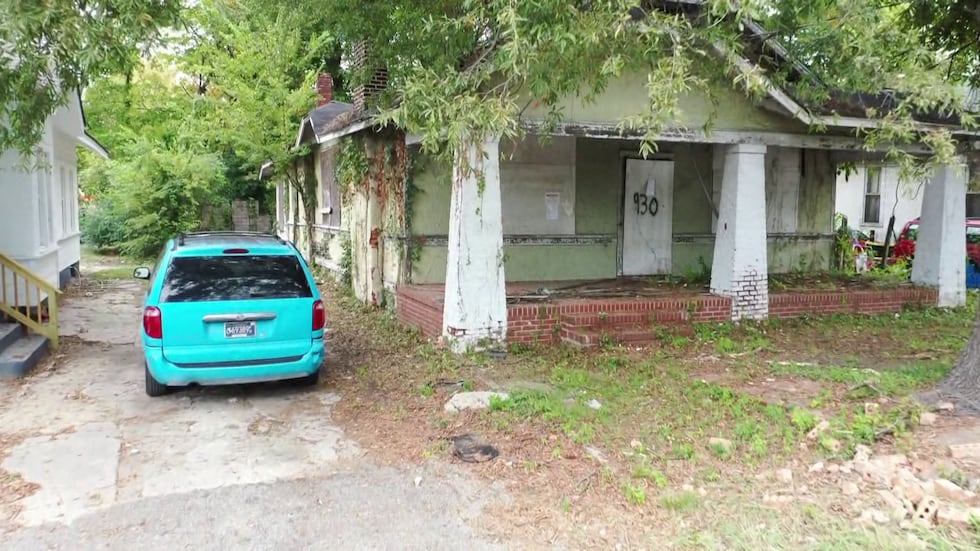
Next to her home in North Memphis stood a vacant home that had become a dumping ground.
“It don’t make no sense!” Miller said.
Following the Impact Team investigation, the home in the 900 block of Faxon Avenue was condemned, clearing the way for demolition. It took nearly a year for that demolition to happen.
Today, the property is an empty lot. Pictures provided by the city show the home was in disrepair outside and inside, with trash scattered throughout. The century-old home has now been demolished as part of a series of demolitions that started in August, with a goal of 100 demolitions by the end of September. The city has demolished nearly 160 homes since the beginning of the year.
Other properties demolished include a Whitehaven home on Sumners Wells and a Fox Meadows home on Cordell Cove.
City department focuses on blight
“We are fighting blight every single day. One major focus for us has been our demolitions,” said Melanie Neal, director of the Community Enhancement Division for the City of Memphis.
The department is just over a year old and is focused on blight remediation and code enforcement.
The home on Faxon Avenue has been on the department’s radar since 2023, but the home was not recommended for condemnation until July of last year. Records show the property owner inherited the home from his deceased mother and then ignored multiple warnings from the city to clean up the property that was deemed dangerous to the community.
Neal said the city initially referred the property through a court process called the Neighborhood Preservation Act, which gives receivers or other responsible parties the opportunity to address the nuisances.
“So we actually had a potential receiver, but that fell through,” Neal said. “So at that point we had no options other than to go ahead and proceed with demolition.”

Neal said uncontested demolition orders can take 90 to 150 days to complete, but that is often not the case.
“There are very many legal boxes that we have to check before the city can step in and tear a property down because, again, once it’s gone, we can’t build it back,” Neal said.
Legal team works to speed up process
The city has hired a team of litigators led by Anti-Blight Litigation Manager Lani Lester, using Environmental Court, Chancery Court and in-house administrative legal work to speed up the legal process, clearing the way for faster demolitions instead of the years it took to tear down homes like the one on Faxon Avenue.
Vacant lot brings new concerns
Demolishing a vacant home does not solve all of the city’s problems. The Faxon Avenue property will be added to the more than 15,000 vacant lots the city maintains by cutting the lawn four times a year.
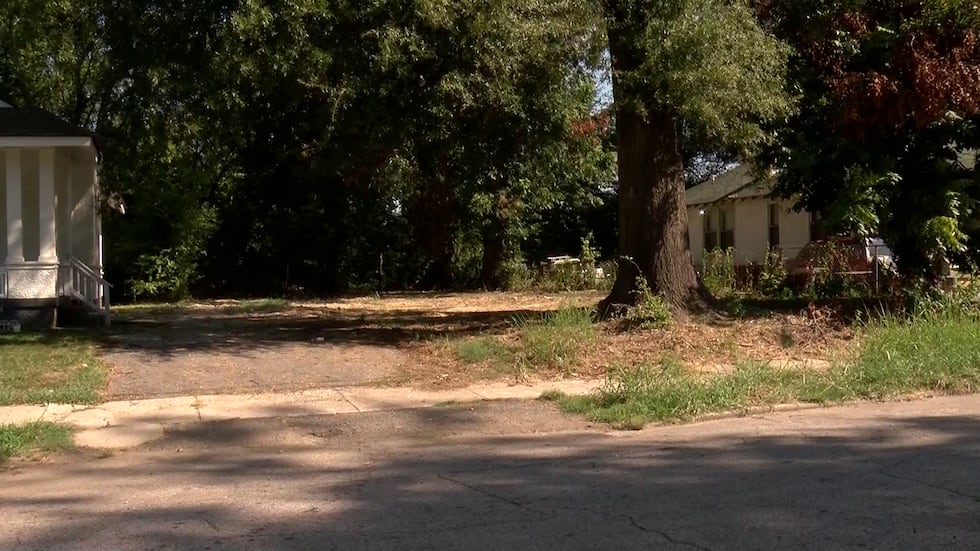
Neighbors said they are also concerned about a tree on the property that is hollow at the root, which they fear could fall on their property during a storm. The home is gone, but the land remains privately owned.
The city bills the property owner for the cost of demolition and the subsequent upkeep of the property. It can be difficult to get negligent property owners to pay, leaving taxpayers to cover the cost.
Help for struggling property owners
Neal said the best solution for dealing with blight is responsible property ownership. If you are struggling to financially keep up with the repairs on your home, the city does have multiple programs that property homeowners can apply for.
Click here: memphistn.gov/homeowners
Other programs include 901HELP through LISC Memphis, United Housing Inc.’s 901Help program, and Habitat for Humanity of Greater Memphis’ Aging In Place Program.
Residents living next to a blighted property can call 311 to get the property on the city’s radar.
About Post Author
