Screenshot
NIL Worth Protecting: Undefeated Hickory Ridge Team Makes History Taking NIL Pledge Through the DFC-Funded Memphis Youth Drug Free Coalition
At Hickory Ridge Middle School, an undefeated football team makes a different kind of commitment
September 16, 2026 By Shelby County Observer Community Affairs Department
MEMPHIS, Tenn. — There are scoreboards that measure touchdowns, yards and victories. And then there are scoreboards that will not appear under the Friday-night lights—the decisions young athletes make when no coach is watching, no crowd is cheering and their futures may be hanging on a single choice.
What happened at Hickory Ridge Middle School may represent the beginning of something much larger than one football team.
The Memphis Youth Drug Free Coalition, under the leadership of Dr. Gerald Kiner, developed the NIL Memphis Youth Drug Free Coalition Pledge as an innovative strategy to protect student-athletes from substance use.
Kiner believes the initiative has the potential to become a national movement connecting youth substance-use prevention with something increasingly important to young athletes—the protection of their name, image and likeness.
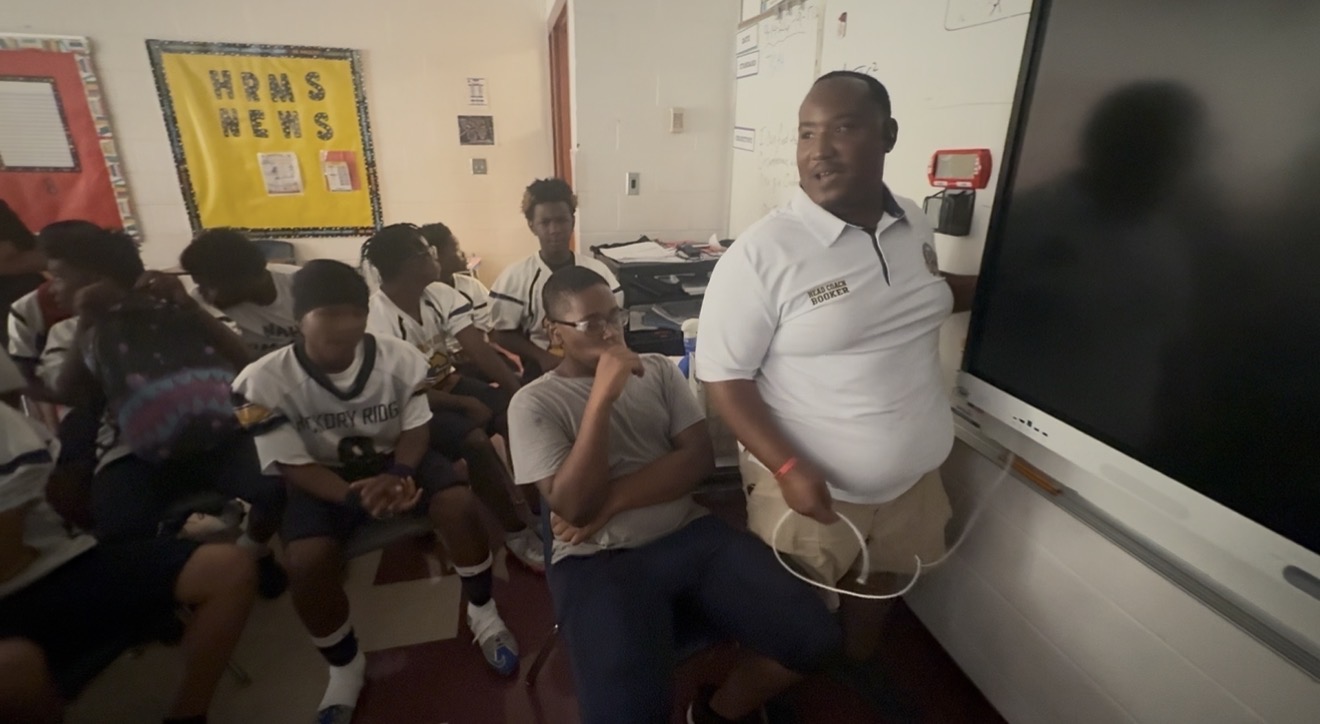
Kiner said Hickory Ridge’s football team, under Coach Joshua Booker, became the first team in the country to take the NIL Memphis Youth Drug Free Coalition Pledge, establishing a model he hopes other athletic programs will follow.
The initiative is part of the Memphis Youth Drug Free Coalition, a project of Daughters of Zion supported through the federal Drug-Free Communities (DFC) Support Program. The DFC Support Program is a federal program of the White House Office of National Drug Control Policy (ONDCP) and is managed by the Centers for Disease Control and Prevention (CDC). The federal program provides grants to community coalitions to prevent and reduce youth substance use and change community conditions connected to youth substance use.
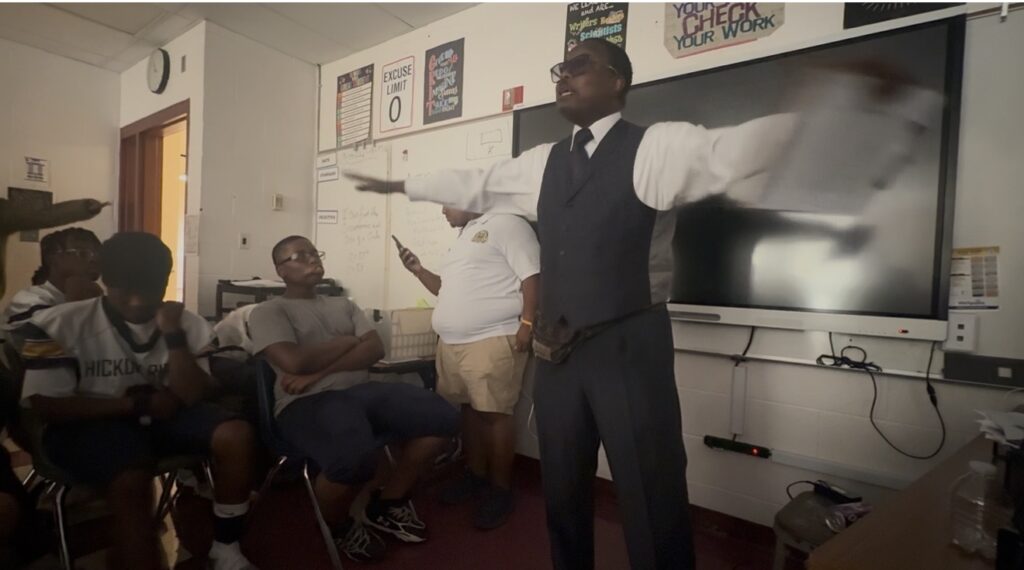
A year after a season that included several losses, Booker’s team has opened this season undefeated at 4–0. But this week, the coach invited his former teacher, Dr. Gerald Kiner, to speak to his players about something potentially more consequential than their record: protecting their name, image and likeness—NIL—from drugs and substance abuse.
Kiner once taught Booker when Booker was a student at Melrose High School. Years later, teacher and former student found themselves together again, this time standing before another generation of young men.
The subject was their future.
“Your Name Is Already a Brand”
College athletics has changed dramatically in the NIL era. For talented young athletes, their name, image and likeness may someday carry substantial financial value.
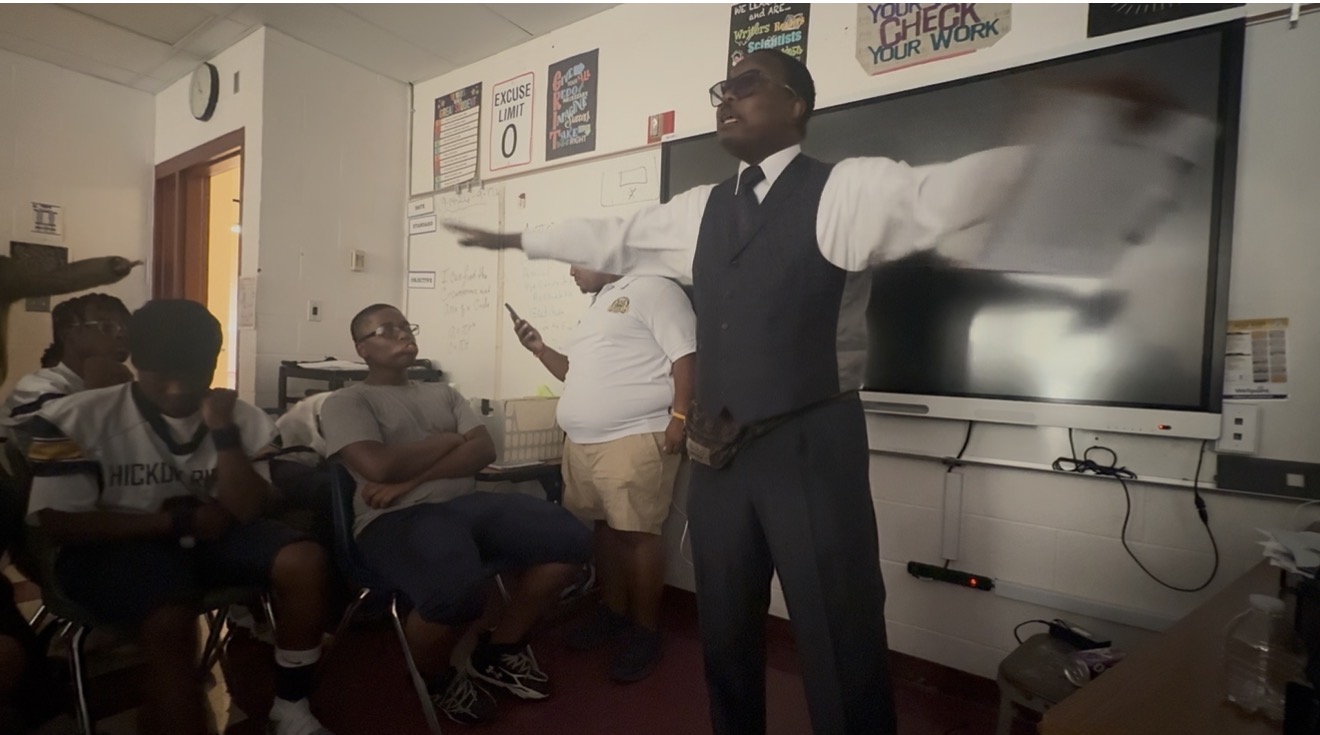
Kiner challenged the players to begin protecting that value now, rather than waiting until recruiters, colleges or potential NIL opportunities arrive.
His message was simple:
Your NIL does not begin when somebody offers you money. Your name already belongs to you. Your image already represents you. Your likeness already tells a story.
The young athletes were challenged to understand that decisions involving alcohol, tobacco, marijuana and the misuse of prescription drugs can reach far beyond a single moment. Those are also the four substance categories tracked through the Drug-Free Communities Core Measures in the Memphis Youth Drug Free Coalition’s prevention framework.
The message expanded beyond physical substance use to reputation itself.
Protect your name. Protect your image. Protect your future.
Players were also challenged to recognize that social media has effectively become part of the modern athlete’s résumé. A post, photograph, video or online association can become part of the public identity an athlete carries into high school, college and eventually the marketplace.
But the afternoon did not end with a speech.
All of the approximately 40 student-athletes in attendance took the NIL Memphis Youth Drug Free Coalition Pledge.
The goal was not simply to tell young people what not to do. It was to begin establishing a culture in which athletes collectively decide what their team will represent.
The players committed themselves to protecting their names, their images, their futures—and one another.
One of the central messages was:
“Your teammate’s future is your business.”
A teammate, they were told, should never be the person who hands another player the substance that could jeopardize his future. Teamwork should extend beyond blocking assignments and defensive formations. It should include protecting the person standing beside you from decisions that could follow him long after the final whistle.
That approach closely reflects the Drug-Free Communities model, which emphasizes changing community conditions surrounding youth substance-use decisions—not simply conducting isolated educational programs. The government’s DFC Media Guide describes the program as helping coalitions identify local issues and “change community conditions tied to youth substance use.”
The Pledge Will Remain After the Speaker Leaves
Coach Booker is taking the initiative beyond the presentation.
At the request of Kiner, Booker plans to select NIL Memphis Youth Drug Free Coalition Student-Athlete Ambassadors from among his players. Those ambassadors will serve as peer leaders who reinforce the team’s drug-free expectations, encourage teammates to protect their reputations and futures, model responsible choices, promote positive social-media behavior and help sustain the pledge throughout the season.
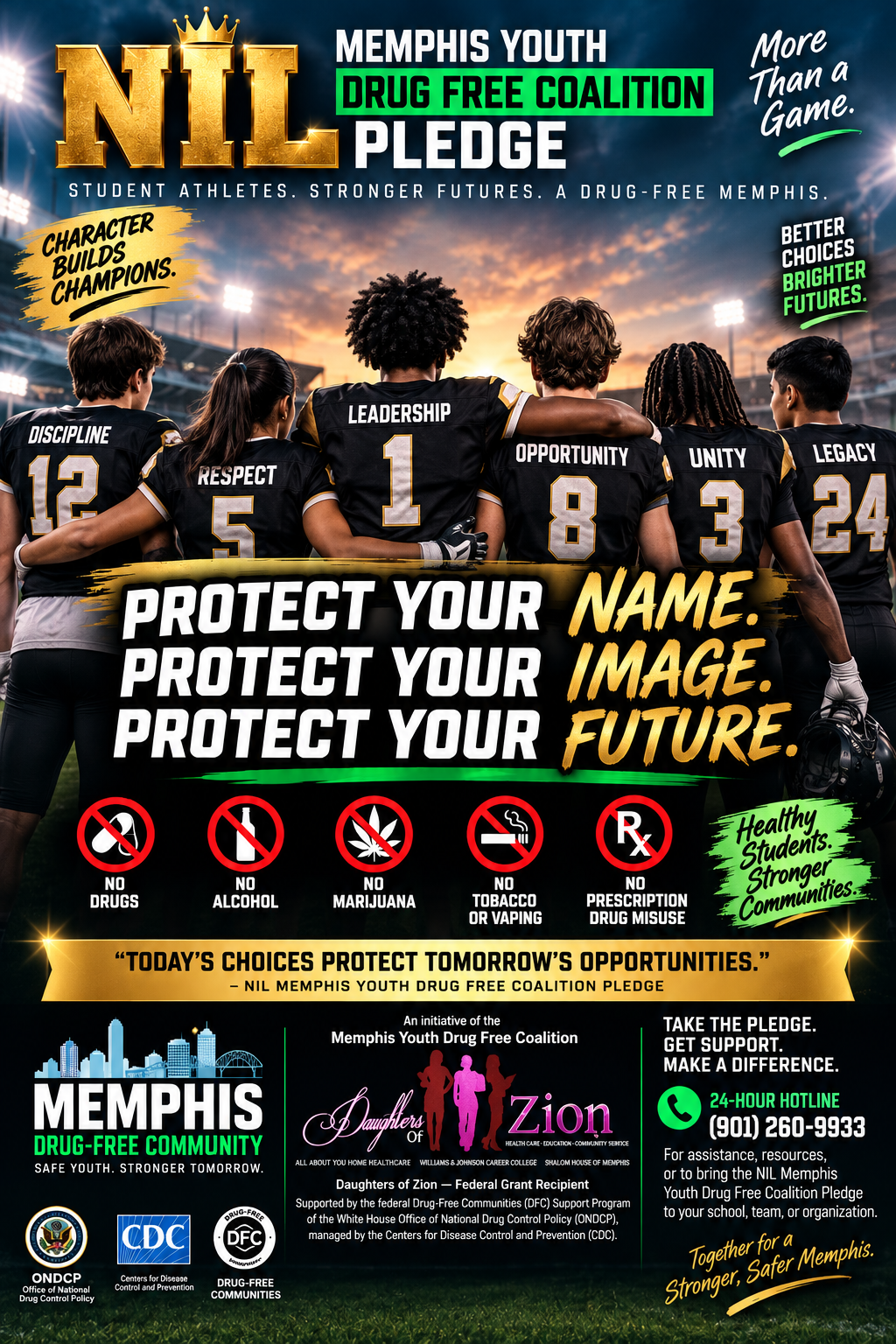
The initiative will also have a permanent presence inside the team’s locker room.
An NIL Memphis Youth Drug Free Coalition locker-room poster will reinforce the commitments:
Protect Your Name. Protect Your Image. Protect Your Future. Remember Your NIL Memphis Youth Drug Free Coalition Pledge.
The Memphis Youth Drug Free Coalition’s approved prevention framework identifies peer pressure and social norms favorable to substance use as risk factors while identifying recognition for positive behavior, opportunities for involvement, bonding with positive institutions and clear behavioral standards as protective factors.
The ambassador program and locker-room commitment are designed to put those principles into practice.
From 4–0 to What Comes Next
Booker’s team has already demonstrated that a culture can change.
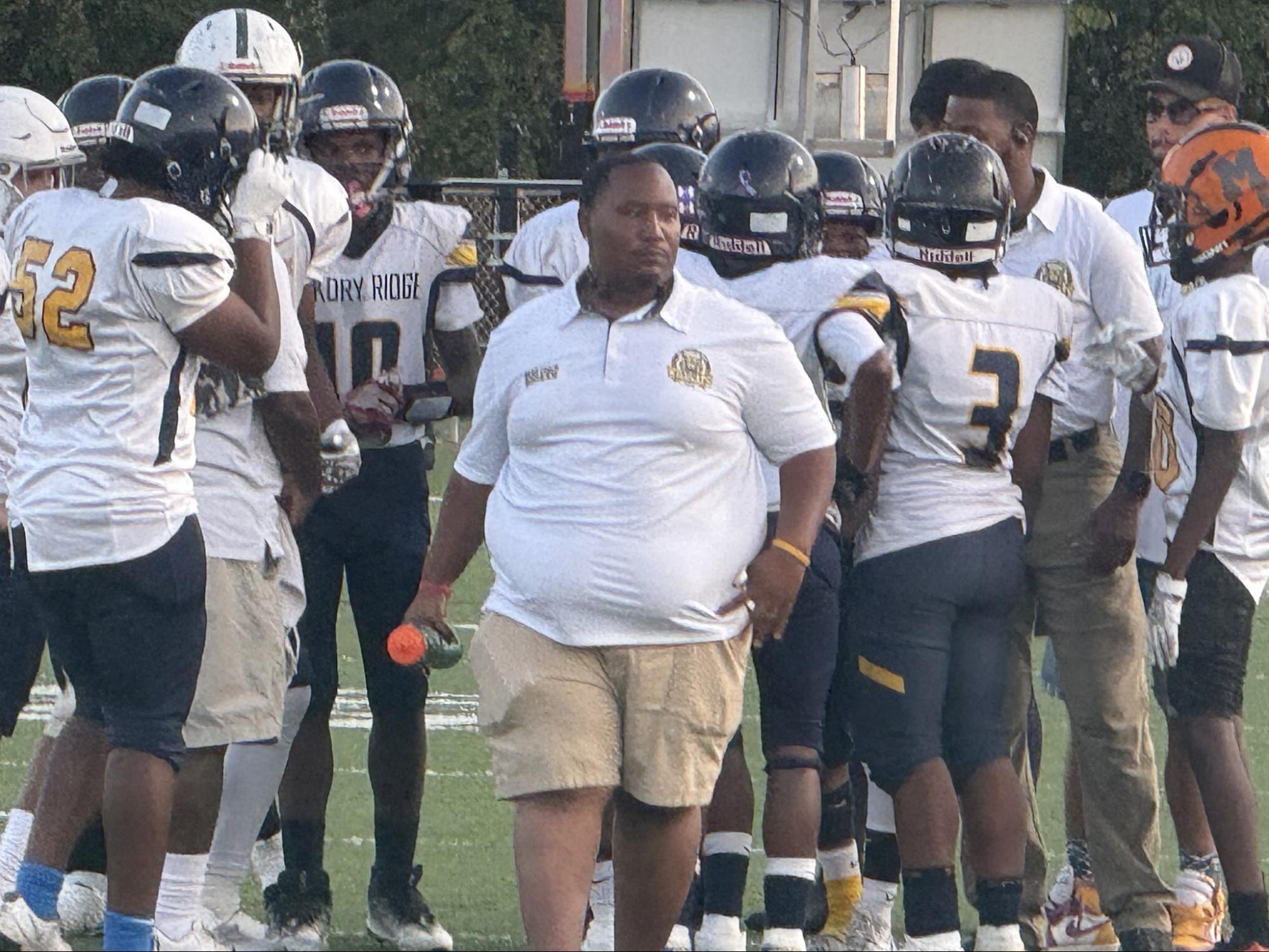
Last year’s losses did not dictate this year’s results. Under his leadership, the team has started 4–0.
Now Booker is asking his athletes to apply that same discipline to something larger than football.
These are middle-school players. College may seem far away. For some, the opportunity to capitalize significantly on NIL could still be five or six years into the future. But the decisions that shape those opportunities can begin much sooner.
The lesson Kiner left with them was not that every player in the room will become a millionaire. No one can promise that.
It was that no young athlete should unnecessarily close tomorrow’s doors with today’s decisions.
And that may be what made the afternoon at Hickory Ridge Middle School significant.
The approximately 40 players didn’t merely hear another anti-drug speech.
They made a collective commitment. Their coach is creating student-athlete ambassadors. A permanent reminder will go into their locker room. Teammates are being taught to protect one another. And a football program is attempting to make being drug-free part of what wearing its jersey means.
That is how prevention begins to move from an event to an environment.
The scoreboard says Hickory Ridge is 4–0.
But the bigger victory may be a group of young athletes deciding that their names are worth protecting long before anyone puts a dollar sign beside them.
———————————————————————
The Memphis Youth Drug Free Coalition invites schools, athletic programs, churches, youth organizations and businesses in targeted zip-codes across Memphis to join the movement by displaying the “Protect Your Name. Protect Your Image. Protect Your Future.” NIL Memphis Youth Drug Free Coalition poster and encouraging young people to take the NIL Memphis Youth Drug Free Coalition Pledge. Schools are also encouraged to select Student-Athlete Ambassadors to help make drug-free living the social norm. To participate, request a poster, take the pledge or receive assistance, call the coalition’s 24-hour hotline at (901) 260-9933.
The Memphis Youth Drug Free Coalition is a project of Daughters of Zion and a recipient of a federal Drug-Free Communities (DFC) Support Program grant from the White House Office of National Drug Control Policy (ONDCP), managed by the Centers for Disease Control and Prevention (CDC).
About Post Author
